We Use CookiesWe use cookies to enhance the security, performance, functionality and for analytical and promotional activities. By continuing to browse this site you are agreeing to our privacy policy

10 Best Waterproof Basement Paint 2026 in the United States
How do we rank products for you?

Our technology thoroughly searches through the online shopping world, reviewing hundreds of sites. We then process and analyze this information, updating in real-time to bring you the latest top-rated products. This way, you always get the best and most current options available.

headphones-stars

Our Top Picks

#1

Winner

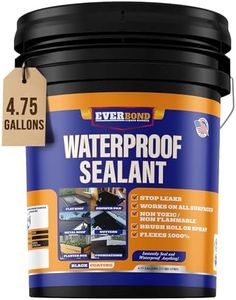
Liquid Rubber Waterproof Sealant - Rubber Paint - All Surface Leak Repair Indoor and Outdoor Flexible Roof Sealant, Water-Based, Easy to Apply, Original Black, 4.75 Gallon

Rating
10.0
Chosen by1,253
Waterproofing Ability
Durability
Ease of Application

Most important from
56 reviews

Waterproofing Ability
Creates a flexible, rubber-like membrane that effectively seals leaks and withstands rain without damage.
Durability
Resists sunlight damage, making it suitable for both indoor and outdoor applications.
Ease of Application
Easy to apply with a paintbrush, making it accessible for DIY projects and saving significant time compared to traditional methods.
Finish
Dries fast with no tacky or messy residue, staying exactly where applied for a clean finish.

The Liquid Rubber Waterproof Sealant from Everbond is designed to provide strong waterproof protection for basements and various surfaces like wood, metal, concrete, and roofs. It creates a flexible, rubber-like membrane that stretches significantly, helping prevent cracks or peeling over time, making it durable and reliable under changing conditions. The product is water-based and low in harmful chemicals, so it's safer to use inside your home and has less odor compared to many traditional sealants. It also resists damage from sunlight, enhancing its suitability for outdoor use.

In terms of coverage, it requires multiple thick layers to build up a solid waterproof barrier, which means the application might take some time and effort, especially on larger areas. This aspect calls for patience and several coats to achieve the best result. The finish is a black rubber coating that seals leaks effectively but may not be the most visually subtle option for indoor spaces.

This product represents a strong choice for those seeking a tough, flexible waterproof layer and who are willing to invest extra effort during application.

Rating
10.0
Chosen by1,253
Waterproofing Ability
Durability
Ease of Application

Most important from
56 reviews

Waterproofing Ability
Creates a flexible, rubber-like membrane that effectively seals leaks and withstands rain without damage.
Durability
Resists sunlight damage, making it suitable for both indoor and outdoor applications.
Ease of Application
Easy to apply with a paintbrush, making it accessible for DIY projects and saving significant time compared to traditional methods.
Finish
Dries fast with no tacky or messy residue, staying exactly where applied for a clean finish.
#2

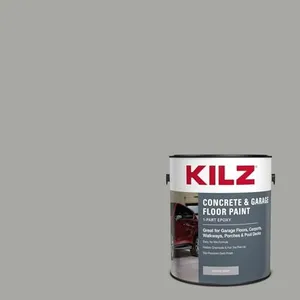
KILZ 1-Part Epoxy Acrylic Concrete & Garage Floor Paint, Silver Gray, Satin, Interior/Exterior Concrete Paint for Basement Floors, Porches, Driveways & Pool Decks, 1 Gallon

Rating
9.4
Waterproofing Ability
Durability
Ease of Application

Most important from
3014 reviews

Waterproofing Ability
The paint holds up well against oil stains, preventing them from soaking in and making cleanup easy.
Durability
Despite exposure to sun and pressure washing, the paint has minimal peeling and no issues with hot tires.
Ease of Application
Preparation is crucial; clean thoroughly and apply thin coats for best results.

KILZ 1-Part Epoxy Acrylic Concrete and Garage Floor Paint stands out as a robust option for those looking to protect their basement floors. Its waterproofing capability is complemented by strong resistance to chemicals, oil, and gas, making it suitable for high-traffic areas like garages and basements. The paint boasts impressive durability, resisting scuffs, fading, cracks, and blistering. This quality is essential for areas prone to wear and tear. Additionally, the paint's ability to handle hot tire pick-up speaks to its toughness.

The satin finish offers a smooth, even application, which dries quickly—touch-dry in 2 hours and ready for a recoat in 4 hours. A significant benefit is its wide coverage, with 1 gallon covering up to 500 square feet on smooth surfaces. However, it should be noted that this paint is not intended for vertical surfaces, which limits its application scope in some waterproofing scenarios.

While the product is water-resistant, it does not explicitly mention mold and mildew resistance, which could be a consideration for basements prone to dampness. Its ease of application is a plus, making it user-friendly even for those not professionally trained. The slip-resistant finish adds an extra layer of safety, which is valuable in areas that may get wet. Available in a pleasant Silver Gray color, it adds a modern aesthetic touch to functional spaces. For basement floors needing a durable, easy-to-apply paint that resists various forms of damage, KILZ offers a strong solution, though checking for additional mold-resistant treatments might be prudent in persistently damp environments.

Rating
9.4
Waterproofing Ability
Durability
Ease of Application

Most important from
3014 reviews

Waterproofing Ability
The paint holds up well against oil stains, preventing them from soaking in and making cleanup easy.
Durability
Despite exposure to sun and pressure washing, the paint has minimal peeling and no issues with hot tires.
Ease of Application
Preparation is crucial; clean thoroughly and apply thin coats for best results.
#3

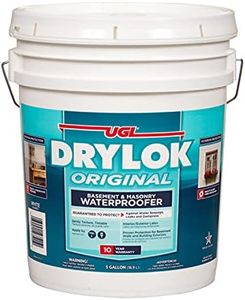
Drylok Low Gloss White Latex Waterproof Sealer 5 gal.

The Drylok Low Gloss White Latex Waterproof Sealer is a solid choice for waterproofing basement walls. One of its key strengths is its excellent waterproofing ability, ensuring that your basement remains dry and protected from moisture. Additionally, it offers good mold and mildew resistance, which is crucial for maintaining a healthy environment in often damp basement conditions.

The low VOC (Volatile Organic Compounds) content makes it a safer option for indoor use, as it emits fewer harmful fumes. This water-based paint is relatively easy to apply, especially with the included brush, and its low gloss finish can provide a clean, polished look to your basement walls.

There are some drawbacks to consider. The coverage area is somewhat limited, ranging from 75 to 125 square feet per gallon, so you may need multiple cans for larger spaces. Also, while the gloss finish is aesthetically pleasing, it may not appeal to everyone who might prefer a matte or satin finish. Finally, the Drylok Sealer requires 24 hours for full curing, which means you’ll need to wait before using the space. Despite these minor drawbacks, it remains a reliable and effective option for waterproofing your basement with added benefits of mold resistance and ease of application.

Buying Guide for the Best Waterproof Basement Paint

Choosing the right waterproof basement paint is crucial to protect your basement from moisture, mold, and mildew. The right paint can help maintain the structural integrity of your home and create a healthier living environment. When selecting waterproof basement paint, consider the following key specifications to ensure you get the best product for your needs.
Waterproofing AbilityWaterproofing ability refers to the paint's capacity to prevent water from penetrating the basement walls. This is important because it helps keep your basement dry and free from water damage. Waterproofing paints are typically rated based on their ability to withstand water pressure. For light moisture issues, a paint with basic waterproofing properties may suffice. For basements prone to heavy water infiltration, look for paints with higher waterproofing ratings. Assess your basement's moisture level to determine the appropriate level of waterproofing needed.
Mold and Mildew ResistanceMold and mildew resistance indicates the paint's ability to prevent the growth of mold and mildew on the painted surface. This is crucial for maintaining a healthy indoor environment, as mold and mildew can cause respiratory issues and other health problems. Paints with mold and mildew resistance are treated with antimicrobial agents. If your basement is prone to dampness, choose a paint with strong mold and mildew resistance to ensure long-term protection.
DurabilityDurability refers to how well the paint can withstand wear and tear over time. This is important because basement walls can be subject to various stresses, including temperature fluctuations and physical impacts. Durable paints are formulated to resist chipping, peeling, and cracking. For high-traffic areas or basements used for storage or living space, opt for a highly durable paint to ensure it remains effective and visually appealing for years.
Ease of ApplicationEase of application describes how simple it is to apply the paint to your basement walls. This is important for achieving a smooth, even finish without requiring professional help. Some paints are designed to be user-friendly, with easy-to-follow instructions and minimal preparation required. If you're planning to do the painting yourself, look for paints that are known for their ease of application. Consider factors like drying time, the number of coats needed, and whether the paint requires a primer.
CoverageCoverage refers to the area that a given amount of paint can cover, usually measured in square feet per gallon. This is important for estimating how much paint you will need to complete your project. Paints with higher coverage rates can save you time and money. To determine the right coverage for your needs, measure the total surface area of your basement walls and compare it to the coverage rates provided by different paints. Choose a paint that offers good coverage to ensure you have enough to complete the job without multiple purchases.
FinishThe finish of the paint refers to its final appearance once it has dried. Common finishes include matte, satin, and glossy. This is important for both aesthetic and practical reasons. Matte finishes can hide imperfections but may be harder to clean, while glossy finishes are easier to clean but can highlight flaws. Satin finishes offer a balance between the two. Consider the condition of your basement walls and your personal preference for appearance when choosing the finish. For a more polished look, a satin or glossy finish may be ideal, while a matte finish can provide a more subdued appearance.

FAQ