We Use CookiesWe use cookies to enhance the security, performance, functionality and for analytical and promotional activities. By continuing to browse this site you are agreeing to our privacy policy

10 Best Binoculars 2025 in the United States

How do we rank products for you?

Our technology thoroughly searches through the online shopping world, reviewing hundreds of sites. We then process and analyze this information, updating in real-time to bring you the latest top-rated products. This way, you always get the best and most current options available.

headphones-stars

Our Top Picks

#1

Winner

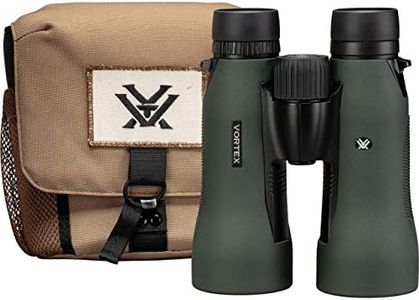
Vortex Optics Diamondback HD 15x56 Binoculars - HD Optical System, Non-slip Grip, Waterproof, Fogproof, Shockproof, Included GlassPak - Unlimited, Unconditional Warranty

Rating
10.0
Chosen by1,152
Magnification
Weight and Size

Most important from
10211 reviews

Magnification
High 15x magnification excels in low-light conditions, providing bright and clear images even at dawn or dusk.
Weight and Size
The solid, well-built design feels durable and reliable for rugged outdoor use.

The Vortex Optics Diamondback HD 15x56 binoculars are designed for serious outdoor use, such as western hunting or wildlife observation over long distances. With a high 15x magnification and large 56mm objective lenses, they gather plenty of light to deliver clear, bright images, even in low-light conditions. The HD optical system with multi-coated lenses and dielectric coatings ensures vibrant colors and sharp details.

These binoculars also feature rugged construction with a non-slip rubber grip, plus waterproof and fogproof sealing, making them reliable in harsh weather. Eye comfort is addressed through adjustable eyecups and a diopter for fine-tuning focus to your eyes. Due to the high magnification and size, they weigh about 2.2 pounds and are best used with the included tripod adapter to avoid shaky images, which may make them less convenient for casual or handheld use over long periods.

The lifetime warranty adds strong value and peace of mind. These binoculars represent an excellent choice if you need powerful, durable optics for detailed viewing at distance and don’t mind the extra weight or using a tripod.

Rating
10.0
Chosen by1,152
Magnification
Weight and Size

Most important from
10211 reviews

Magnification
High 15x magnification excels in low-light conditions, providing bright and clear images even at dawn or dusk.
Weight and Size
The solid, well-built design feels durable and reliable for rugged outdoor use.
#2

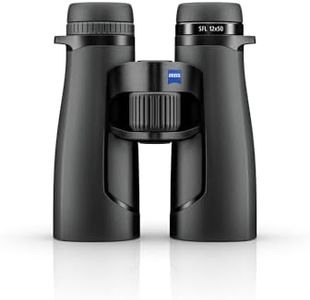
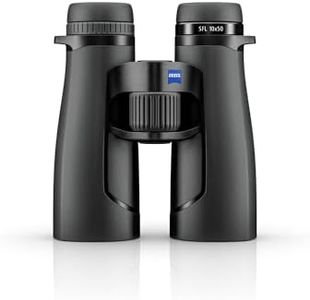
ZEISS SFL Binoculars Lightweight, Compact, Waterproof, Ultra-High Definition Coated Glass for Bird Watching, and Hunting for Twilight and Low Light Wildlife Observation with SmartFocus, Black (10x40)

Rating
8.5
Weight and Size

Most important from
7 reviews

Weight and Size
These binoculars are lightweight and compact, making them comfortable to carry and handle during extended outdoor use.

The ZEISS SFL binoculars are designed for nature lovers who want high-quality views during bird watching, hunting, or low-light wildlife observation. They offer 8x magnification with a 40mm lens, which balances good zoom with a bright, sharp image. These binoculars stand out with their 90% light transmission and ZEISS T* coating, providing clear and bright views even at twilight or in challenging light. The FieldFlattener technology helps keep the image sharp across the entire field of view, so you won’t lose detail at the edges.

They are compact and lightweight, thanks to a magnesium body, making them easier to carry on long trips without feeling bulky. The design is also waterproof and fog-resistant with a special LotuTec coating, ensuring good visibility in wet weather or humid conditions. With a weight of about 1.4 pounds, they are reasonably portable but not the lightest available. While the 40mm lens is a bit smaller compared to some binoculars that use 42mm or 50mm lenses, it still performs well for most outdoor uses.

These binoculars provide dependable, sharp images in a compact, weatherproof package, especially if you prioritize quality optics and ease of use during dawn or dusk outings. If you need stronger magnification or a larger lens for maximum light gathering, you might want to consider other options.

Rating
8.5
Weight and Size

Most important from
7 reviews

Weight and Size
These binoculars are lightweight and compact, making them comfortable to carry and handle during extended outdoor use.
#3

Canon 10x42 L is WP Image Stabilized Binoculars

Rating
8.5
Field of View
Weight and Size

Most important from
219 reviews

Field of View
VIEWS ARE STILL FANTASTIC. Very useful in all birding conditions (from rain forest to open seas, and especially in windy conditions).
Weight and Size
Once you use it (and can deal with the weight), you can't go back.

The Canon 10x42 L IS WP Image Stabilized Binoculars are designed to offer a good balance of power and usability, making them suitable for birdwatching, outdoor events, and nature observation. With a magnification of 10x and a 42mm objective lens, they provide clear and bright images, even in less-than-ideal lighting conditions. The image stabilization feature is a standout, as it helps reduce shaking often associated with handheld binoculars, making it easier to focus on distant subjects. This is particularly beneficial for users who may have difficulty keeping their hands steady.

In terms of comfort, the eye relief is adequate, allowing users who wear glasses to enjoy viewing without strain. The construction also includes waterproof and fog-proof capabilities, which is a significant advantage for outdoor use during various weather conditions.

Weighing around 1.8 pounds, these binoculars are on the heavier side, which might be a concern if you're planning a long outing. The weight can make prolonged use tiring, especially for those who prefer lightweight options. Additionally, while the included padded case and neoprene strap add convenience and protection, they do not address the heft of the binoculars themselves. The 42mm lens diameter offers a decent field of view, though there are competitors that provide a wider field which might appeal to certain users. It’s worth noting that the binoculars require two AA batteries for the image stabilization feature, so it’s good to have spares if you plan to be out for an extended time.

The Canon 10x42 L IS WP binoculars are ideal for serious outdoor enthusiasts who value image stability and durability. They may not be the best fit for casual users or those prioritizing lightweight designs.

Rating
8.5
Field of View
Weight and Size

Most important from
219 reviews

Field of View
VIEWS ARE STILL FANTASTIC. Very useful in all birding conditions (from rain forest to open seas, and especially in windy conditions).
Weight and Size
Once you use it (and can deal with the weight), you can't go back.

Buying Guide for the Best Binoculars

Choosing the right binoculars can make a big difference in how much you enjoy activities like birdwatching, hiking, sporting events, or even stargazing. Binoculars come in many shapes and sizes, and the best pair for you depends on what you want to use them for and how you plan to carry them around. The key is to understand the important specifications and how they affect your viewing experience. Let’s look at the main things you should consider when picking binoculars so you can find the perfect match for your needs.
Magnification and Objective Lens Diameter (expressed as 8x42, 10x50, etc.)This is usually shown as two numbers, like 8x42. The first number tells you how much bigger things will look compared to the naked eye (the magnification), and the second number tells you how wide the front lenses are in millimeters (the objective lens diameter). Higher magnification makes distant objects look closer, but it can also make the image less stable and harder to keep steady. A larger objective lens lets in more light, making the image brighter, especially in low-light situations, but it also makes the binoculars heavier and bulkier. For general use like hiking or watching sports, a magnification of 7x to 10x with an objective lens diameter of 32mm to 42mm offers a good mix of clarity, brightness, and portability. If you're mostly using binoculars during the day and want something lightweight, consider smaller lenses and moderate magnification. For low-light or astronomy, larger diameters help, but expect more weight.
Field of ViewField of view tells you how wide the area is that you can see through the binoculars, usually measured in feet at 1,000 yards or in degrees. A wider field of view means you can see more of the scene at once, which is helpful for tracking moving birds or viewing large landscapes. However, as magnification increases, the field of view usually decreases. If your main goal is to watch fast-moving things or to scan wide areas, a wider field of view is better. If you want to focus more on distant, small objects, then a narrower field of view with higher magnification might be fine.
Weight and SizeBinoculars come in compact, mid-size, and full-size options, and the size is mostly determined by the diameter of the objective lens. Compact binoculars are easy to carry and good for casual activities but may not be as bright in low light. Full-size binoculars offer brighter views and are great for things like birdwatching in dim light, but they're heavier and might be tiring to carry for long periods. Choose a size that matches how you’ll use binoculars—if you travel often and want convenience, go small; if you’re mainly staying put and want the best view, go larger.
Prism Type (Roof vs. Porro)Binoculars use prisms to correct the image orientation, and there are two main types: roof prism (straight-barrel design) and Porro prism (offset-barrel design). Roof prism binoculars are more compact and durable but can be more expensive for the same optical quality. Porro prism binoculars are usually bulkier but often provide a wider field of view and good depth perception at a lower cost. If you care about portability and sleekness, roof prism is a solid choice. If you want better value and aren't bothered by a slightly bigger design, Porro prism binoculars are worth considering.
Eye ReliefEye relief is the distance you can hold the binoculars away from your eyes and still see the whole field of view, measured in millimeters. This is especially important if you wear glasses. Longer eye relief (usually above 15mm) is more comfortable for glasses wearers and for extended use. If you wear glasses, look for binoculars with adjustable eyecups and longer eye relief, so you can enjoy the full view without strain.
Waterproofing and Fog ResistanceMany binoculars are built to be waterproof and fog-resistant, which means they’re sealed to keep moisture out and often filled with gas to prevent internal fogging. These features are important if you plan to use your binoculars in damp, rainy, or rapidly changing weather conditions. If you’re an outdoor enthusiast or expect to be around water, pick waterproof and fogproof binoculars for durability and reliable performance.
Close Focus DistanceClose focus distance tells you how close you can be to an object and still see it sharply through your binoculars, usually measured in feet. A shorter close focus distance is great if you want to observe things up close like butterflies or flowers. If your main use is for distant viewing, this spec might not be very important. For close-up nature watching, look for binoculars with a close focus of under 10 feet.

FAQ